

- What Is an Ostomy Belt?
- How Do Ostomy Belts Work?
- Benefits of Ostomy Support Garments
- Who Should Consider Using an Ostomy Belt?
- Choosing the Right Ostomy Belt
- Best Practices for Using an Ostomy Belt
- Addressing Common Concerns
- Maintaining an Active Lifestyle with an Ostomy
- Ostomy Belt FAQ
- Conclusion
- Related Resources
What Is an Ostomy Belt?
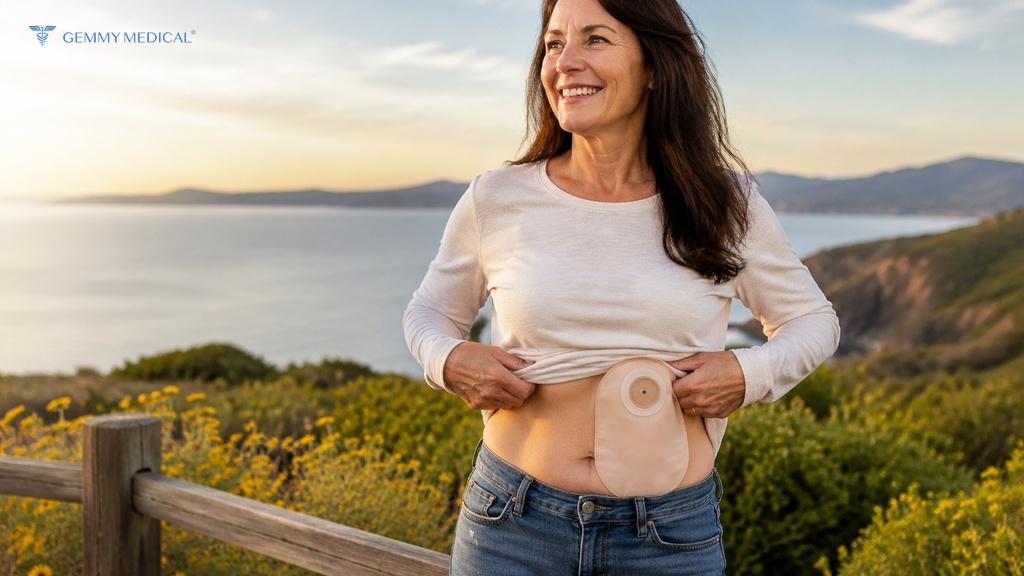
An ostomy belt is a specially designed garment that provides support for individuals with a stoma. A stoma is a surgically created opening in the abdominal wall that allows waste to exit the body when the colon or bladder is not functioning properly. Ostomy belts are an essential accessory for securing an ostomy pouch in place, offering additional stability and comfort during daily activities.
Typically made of soft, stretchy materials like elastic or breathable fabrics, ostomy belts wrap around the abdomen and attach to the flanges or rings of the ostomy pouching system. They come in various sizes, widths, and designs to accommodate different stoma locations and individual preferences. Whether you're managing a colostomy, ileostomy, or urostomy, an ostomy belt can help you feel more secure and confident while reducing the risk of leaks or pouch dislodgement.
How Do Ostomy Belts Work?
Ostomy belts function as a secondary support mechanism for an ostomy pouch. By anchoring the pouch securely against the body, the belt helps distribute the weight of the pouch evenly across the abdomen. This minimizes strain on the stoma and surrounding skin while preventing the pouch from pulling away, especially when it becomes heavier as it fills.
Many ostomy belts also feature adjustable straps or Velcro closures, allowing users to achieve a snug yet comfortable fit. Some belts are designed with specific openings or pockets to accommodate the stoma and pouch directly, ensuring proper alignment and support. Additionally, these belts can play a vital role in preventing complications such as hernias, which are common in individuals with an ostomy. By providing gentle compression around the abdominal area, ostomy belts reduce the risk of hernia formation and improve overall comfort during movement.
Benefits of Ostomy Support Garments
For individuals living with a stoma, ostomy support garments, including belts, offer a range of benefits that enhance both physical and emotional well-being. Here are some key advantages:
- Increased Security: Ostomy belts prevent accidental pouch detachment or leaks, giving users greater peace of mind.
- Comfort: Soft, breathable materials reduce skin irritation and allow for extended wear, even during active days.
- Hernia Prevention: By providing gentle compression, these belts can lower the risk of developing a parastomal hernia.
- Improved Mobility: Ostomy belts help stabilize the pouch, making it easier to participate in physical activities such as walking, jogging, or yoga.
- Confidence Boost: Knowing the pouch is secure allows users to engage in social activities without fear or embarrassment.
Additionally, many support garments are designed to be discreet, blending seamlessly under clothing for a natural appearance.
Who Should Consider Using an Ostomy Belt?
Ostomy belts are not a one-size-fits-all solution, but they can be incredibly beneficial for certain individuals. If you experience frequent pouch detachment, leaks, or discomfort during movement, an ostomy belt might be the right choice for you. These belts are especially helpful for:
- Those with a high-output stoma, as heavier pouches may require additional support.
- Individuals with a physically active lifestyle, such as athletes or those who engage in manual labor.
- People at risk of developing a parastomal hernia, particularly if they have had hernias in the past.
- Individuals who find standard ostomy adhesives insufficient for maintaining a secure fit.
Before using an ostomy belt, consult with your healthcare provider or stoma care nurse to ensure it’s suitable for your specific needs and stoma type.
Choosing the Right Ostomy Belt
Selecting an ostomy belt involves considering several factors to ensure it meets your unique requirements. Here are some tips to guide your choice:
- Size: Measure your waist or abdomen where the belt will sit to find the correct size. Most brands offer adjustable options for a customized fit.
- Width: Wider belts provide more support but may feel bulkier under clothing. Narrow belts are more discreet but may offer less stability.
- Material: Look for soft, breathable fabrics that minimize irritation and allow for airflow.
- Closure Type: Choose between hook-and-loop fasteners, clasps, or Velcro based on your preference for ease of use.
- Compatibility: Ensure the belt is compatible with your existing ostomy pouching system.
Gemmy Medical offers a wide range of ostomy support products, designed with patient comfort and functionality in mind, to help you make the best choice for your lifestyle.
Best Practices for Using an Ostomy Belt
To get the most out of your ostomy belt, follow these practical tips:
- Proper Positioning: Always align the belt with your stoma and pouch to avoid unnecessary pressure on the stoma.
- Adjust the Fit: The belt should be snug but not too tight. Overly tight belts can cause discomfort or restrict blood flow.
- Inspect Regularly: Check your skin for signs of irritation or redness where the belt sits. If irritation occurs, consult a healthcare professional.
- Wash and Replace: Clean your belt according to the manufacturer’s instructions and replace it as needed to maintain hygiene and functionality.
- Consult a Professional: If you’re new to using an ostomy belt, ask your stoma care nurse to demonstrate proper usage and fitting.
Addressing Common Concerns
It’s natural to have questions or concerns about using an ostomy belt. Here are answers to some of the most common issues:
- “Will it be visible under my clothes?” Most modern ostomy belts are designed to be discreet and fit seamlessly under everyday clothing.
- “Can I sleep while wearing it?” Yes, ostomy belts are safe to wear during sleep, provided they are not too tight.
- “Will it work with my pouching system?” Always check compatibility with your specific pouch brand and model.
Ultimately, the right ostomy belt can alleviate many of these concerns, making day-to-day life more manageable.
Maintaining an Active Lifestyle with an Ostomy
For those who enjoy sports, fitness, or other physical activities, an ostomy belt can be a game-changer. It provides the extra support needed to keep the pouch secure during high-impact movements, such as running or weightlifting. Many athletes with ostomies find that a properly fitted belt helps them regain confidence and perform at their best.
Additionally, ostomy belts help reduce the risk of accidents or leaks during activities that involve bending, stretching, or lifting. Whether you’re gardening, playing tennis, or dancing, a supportive garment can help you focus on the activity itself rather than worrying about your pouch.
Ostomy Belt FAQ
Are ostomy belts covered by insurance?
In many cases, ostomy belts are considered a medical necessity and may be covered by insurance plans. Check with your provider to confirm coverage and reimbursement options.
How long can I wear an ostomy belt each day?
Most people can wear an ostomy belt throughout the day without issues. However, it’s essential to take breaks if you experience discomfort or skin irritation.
Can I use an ostomy belt with any pouching system?
Not all ostomy belts are compatible with every pouching system. Always verify compatibility with your specific pouch model and consult your stoma care nurse for guidance.
How do I clean my ostomy belt?
Follow the manufacturer’s washing instructions, which typically recommend hand washing or machine washing on a gentle cycle. Allow the belt to air dry to preserve its elasticity and shape.
What should I do if my ostomy belt causes skin irritation?
If you notice redness or irritation, try loosening the belt or wearing it over a thin layer of clothing. If the issue persists, consult a healthcare professional for advice.
Can I exercise with an ostomy belt?
Yes! Ostomy belts are designed to provide support during physical activities, making them ideal for exercise and sports. Ensure the belt is securely fitted before starting your workout.
Conclusion
Ostomy belts and support garments are invaluable tools for individuals living with a stoma. They provide security, comfort, and confidence, allowing users to carry out their daily routines and maintain an active lifestyle. By choosing the right belt and following best practices, you can enhance your quality of life and reduce potential complications. For high-quality ostomy support products, Gemmy Medical is here to help.
Related Resources
Disclaimer: This article is for informational purposes only and does not replace professional medical advice. For product inquiries or customized solutions, contact the Gemmy Medical team at info@gemmytec.com.
Living with a Stoma: Coping Tips and Emotional Support
Adjusting to life with a stoma can be both physically and emotionally challenging. While ostomy belts and support garments help manage the physical aspects of living with a stoma, it's equally important to address the emotional and psychological factors. Here are some strategies to help you cope and thrive:
Accepting the Change
Coming to terms with your stoma is a process. It's normal to feel a range of emotions, including sadness, frustration, or even relief, depending on your circumstances. Give yourself time to adjust and understand that these feelings are part of the healing process. Engaging in counseling or joining a support group can provide validation and encouragement from others who share similar experiences.
Connecting with Support Networks
Joining a local or online ostomy support group can be a lifeline for many individuals. These communities provide a platform to share experiences, ask questions, and receive emotional support. Organizations like the United Ostomy Associations of America (UOAA) offer resources, events, and connections to help you navigate life with a stoma.
Building Confidence in Daily Activities
Initially, you might feel self-conscious about your stoma, especially in social settings. Building confidence takes time, but practical steps like wearing supportive clothing, using ostomy belts, and practicing good pouch management can help you feel more secure. Gradually introduce activities or social outings into your routine to rebuild your confidence.
Talking About Your Stoma
If you feel comfortable, consider discussing your stoma with close friends or family members. Sharing your experience can help them understand your situation and provide the emotional support you need. You can also prepare a simple explanation for situations where disclosure might be necessary, such as during medical appointments or travel.
Seeking Professional Help
If feelings of depression or anxiety persist, consult a mental health professional who specializes in medical or chronic conditions. Cognitive behavioral therapy (CBT) and mindfulness techniques can be particularly effective in managing the emotional impact of living with a stoma.
Celebrating Small Victories
Living with a stoma is a journey, and it's important to celebrate milestones, no matter how small. Whether it's successfully managing your pouch for the first time, exercising with confidence, or attending a social event, acknowledging these achievements can boost your morale and motivation.
Tips for Traveling With an Ostomy
Traveling with an ostomy may seem daunting at first, but with a bit of preparation, it can be a smooth and enjoyable experience. Whether you're embarking on a weekend road trip or a long-haul flight, here are some practical tips to ensure a stress-free journey:
Pack Extra Supplies
Always bring more ostomy supplies than you think you'll need. Unexpected delays or changes in your itinerary can happen, so having a surplus ensures you're prepared for any situation. Include extra pouches, wafer barriers, adhesive remover wipes, and disposal bags in your travel kit.
Use a Discreet Carry-On Bag
Keep your ostomy supplies in a carry-on bag when flying. This ensures easy access during travel and prevents loss or delays if your checked luggage is misplaced. Consider using a discreet bag or pouch organizer to store your supplies neatly and securely.
Plan for Security Checks
At airport security, you may need to inform officers about your ostomy pouch, especially if you're wearing an ostomy belt with metal components. Traveling with a doctor's note or a medical travel card can expedite the process and minimize any discomfort during security screenings.
Stay Hydrated and Monitor Diet
Traveling can disrupt your usual routine, including your diet and hydration. Stay hydrated to maintain stoma function and avoid dehydration, especially during flights. If you're traveling internationally, be mindful of foods that might cause blockages or upset your stoma.
Choose Comfortable Clothing
Opt for loose, breathable clothing that accommodates your ostomy pouch and belt comfortably. Avoid tight waistbands or restrictive fabrics that could irritate your stoma during long periods of sitting or movement.
Book Accessible Accommodations
When booking hotels or lodgings, select accommodations with private bathrooms for added convenience. If possible, request a room with additional space to lay out your supplies and manage your pouch discreetly.
Prepare for Emergencies
Carry a small emergency kit with essential supplies, such as adhesive strips, an extra pouch, and a portable cleaning solution. This kit can be a lifesaver if you encounter any issues while away from your usual resources.
Relax and Enjoy
While traveling with an ostomy requires planning, don't let it hinder your sense of adventure. With proper preparation, you can enjoy new experiences and create lasting memories without worry.
Customizing Your Ostomy Care
Every individual’s ostomy care routine is unique, and finding what works best for you may take some trial and error. Customizing your care not only improves physical comfort but also enhances your overall quality of life. Here are some ways to tailor your ostomy care:
Experiment with Different Products
Ostomy supplies come in a wide range of designs, materials, and features. You may need to experiment with different pouching systems, adhesive types, or support garments to find the combination that suits your lifestyle. Consult with your stoma care nurse for recommendations based on your specific needs.
Adapt to Your Skin's Needs
Skin care is a critical component of ostomy management. If you experience irritation, redness, or dryness around your stoma, explore barrier creams or pre-cut flanges to reduce skin contact with adhesives. Regularly inspect the skin around your stoma and address any issues promptly to avoid complications.
Incorporate Lifestyle Adjustments
Whether you're adjusting your diet, exercise routine, or clothing choices, small changes can make a big difference in your comfort and confidence. For instance, wearing high-waisted pants or skirts can help conceal your pouch, while a diet rich in fiber and fluids may improve stoma output consistency.
Seek Ongoing Professional Support
As your needs evolve, stay in touch with your healthcare provider or stoma care nurse for guidance. They can help you navigate challenges, recommend new products, or provide tips on managing specific concerns like high-output stomas or hernias.
Monitor Your Stoma Health
Keep track of changes in your stoma's appearance, size, or output patterns. If you notice anything unusual, such as bleeding, swelling, or persistent discomfort, consult your healthcare provider immediately to address potential issues.
0件のコメント