

- Introduction to Air Disinfection Systems
- How Air Disinfection Systems Work
- Clinical Benefits for Healthcare Settings
- Who Should Use Air Disinfection Systems?
- Choosing the Right Air Disinfection System
- Best Practices for Effective Use
- Case Study: Improving Hospital Air Quality
- FAQ
- Conclusion
- Related Resources
Introduction to Air Disinfection Systems
Air disinfection systems are an essential component of modern healthcare environments. These systems are designed to eliminate airborne pathogens, including bacteria, viruses, and fungi, ensuring cleaner, safer air for patients, healthcare providers, and visitors. In clinical settings like hospitals and clinics, air quality is vital to infection prevention, particularly for immunocompromised patients and during surgical procedures.
Gemmy Medical, headquartered in Shanghai, China, specializes in advanced air disinfection solutions tailored for healthcare applications. With a focus on innovation, reliability, and usability, our systems are trusted by hospitals worldwide, from the United States to Southeast Asia. But what makes these systems so effective? Let’s explore the science and benefits behind air disinfection systems in detail.
How Air Disinfection Systems Work
Air disinfection systems use various technologies to neutralize airborne pathogens. Common mechanisms include:
- UV Germicidal Irradiation (UVGI): UV-C light disrupts the DNA of microorganisms, rendering them incapable of reproduction or causing infections.
- HEPA Filters: High-Efficiency Particulate Air (HEPA) filters physically trap particles as small as 0.3 microns, including most bacteria and viruses.
- Ionization: Some systems release charged ions that bind to airborne particles, causing them to clump together and fall out of the air.
- Chemical Disinfection: Systems may also incorporate antimicrobial coatings or chemical sprays to further reduce contamination.
These mechanisms work synergistically to improve air quality, making clinical environments safer for both patients and staff. Selecting a system that aligns with your needs can maximize effectiveness, whether for operating rooms, ICU units, or outpatient clinics.
Clinical Benefits for Healthcare Settings
The benefits of air disinfection systems in healthcare extend far beyond basic air purification. Here are some key advantages:
- Infection Prevention: By removing airborne pathogens, these systems reduce the risk of hospital-acquired infections (HAIs), which can jeopardize patient recovery.
- Healthier Work Environment: Protecting healthcare workers from airborne contaminants helps maintain staffing levels and reduces sick days.
- Compliance with Standards: Many hospitals must meet stringent air quality standards. Air disinfection systems can help achieve compliance with local regulations.
- Enhanced Patient Outcomes: Cleaner air contributes to faster recovery times and lowers the likelihood of complications, particularly for vulnerable patients.
Gemmy Medical's air disinfection systems are rigorously tested to ensure optimal performance in clinical settings. Our solutions are trusted by leading hospitals globally for their effectiveness and reliability.
Who Should Use Air Disinfection Systems?
Air disinfection systems are not just for large hospitals; they are applicable in a variety of healthcare settings, including:
- Hospitals: Essential for operating rooms, ICUs, and wards.
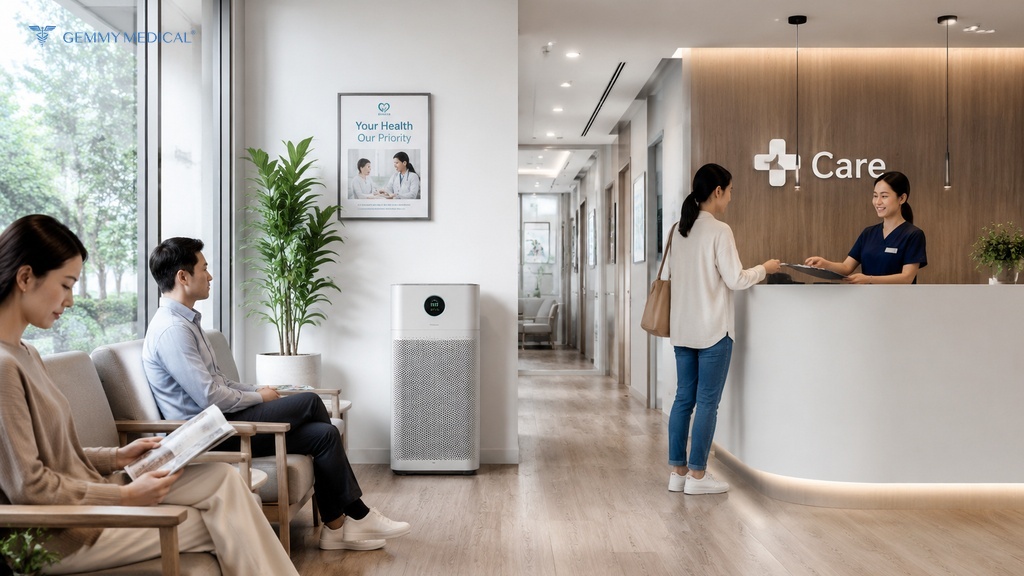
- Clinics: Ideal for waiting areas and consultation rooms where patients gather.
- Nursing Homes: Protect elderly residents who are often at higher risk for respiratory infections.
- Dental Offices: Important for high-aerosol procedures like drilling and cleaning.
- Home Care Settings: Beneficial for patients recovering at home or those with chronic respiratory conditions.
If you’re unsure whether an air disinfection system is right for your healthcare environment, Gemmy Medical offers personalized consultations to help you make an informed decision.
Choosing the Right Air Disinfection System
Selecting the right air disinfection system involves several considerations:
- Room Size: Ensure the system’s capacity matches the size of the space it will serve.
- Technology: Choose a system with the appropriate mechanism for your needs, whether UVGI, HEPA filtering, or ionization.
- Noise Levels: Consider quieter models for patient rooms or offices.
- Maintenance Requirements: Some systems require regular filter replacements or UV lamp changes.
- Compliance: Verify that the system meets local healthcare air quality standards and regulations.
Gemmy Medical offers a range of systems optimized for different healthcare environments, ensuring you find the perfect fit for your needs.
Best Practices for Effective Use
To maximize the effectiveness of your air disinfection system, follow these best practices:
- Regular Maintenance: Replace filters and UV lamps as recommended by the manufacturer to ensure optimal performance.
- Positioning: Place units where airflow is maximized, such as near vents or in high-traffic areas.
- Continuous Operation: For best results, run the system continuously in critical areas like ICUs and operating rooms.
- Staff Training: Educate staff on the proper use and maintenance of the system.
Proper use ensures that your air disinfection system consistently delivers cleaner, safer air. Gemmy Medical provides user-friendly guidelines and support to help you get the most out of your system.
Case Study: Improving Hospital Air Quality
A mid-sized hospital in Southeast Asia recently installed Gemmy Medical’s UVGI air disinfection systems in its surgical suites and ICU. Within six months, the hospital reported a 25% reduction in hospital-acquired respiratory infections. Staff also noted improved air quality and fewer complaints of odors in patient areas.
The hospital’s administration highlighted the ease of maintenance and energy efficiency of the systems, which met stringent regulatory requirements. This case illustrates the transformative impact of air disinfection systems in healthcare environments.
FAQ
What technologies do air disinfection systems use?
Air disinfection systems commonly use UV Germicidal Irradiation (UVGI), HEPA filters, ionization, and chemical disinfection. These technologies work to neutralize or remove airborne pathogens, ensuring safer air quality.
Are air disinfection systems safe for use around patients?
Yes, air disinfection systems are designed to be safe for use in healthcare environments. UVGI systems are enclosed to prevent direct exposure to UV light, and HEPA filters do not release harmful substances into the air.
How often should filters or lamps be replaced?
The frequency of replacement depends on the system and its usage. Typically, HEPA filters should be replaced every 6-12 months, while UV lamps may need replacement every 12-24 months. Always follow the manufacturer's guidelines.
Can air disinfection systems eliminate COVID-19 from the air?
While no system can guarantee 100% elimination, technologies like UVGI and HEPA filters are effective at capturing and neutralizing viruses, including SARS-CoV-2, the virus responsible for COVID-19.
Are these systems energy-efficient?
Many modern air disinfection systems are designed to be energy-efficient, using low-wattage UV lamps and optimized airflow designs to minimize energy consumption.
How do I know which system is right for my clinic?
Consider factors like room size, patient density, and specific clinical needs. Gemmy Medical offers consultations to help you select the best system for your environment.
Conclusion
Air disinfection systems are an indispensable tool for maintaining high air quality in clinics, hospitals, and other healthcare environments. By reducing airborne pathogens, these systems protect patients, staff, and visitors while improving overall health outcomes. Whether you’re outfitting a large hospital or a small clinic, Gemmy Medical offers tailored solutions to meet your specific needs.
Trust Gemmy Medical, a global leader headquartered in Shanghai, China, to deliver reliable, effective air disinfection systems. Clean air is not just a luxury; it’s a necessity in modern healthcare.
Related Resources
Disclaimer: This article is for informational purposes only and does not replace professional medical advice. For product inquiries or customized solutions, contact the Gemmy Medical team at info@gemmytec.com.
Impact on Specialized Healthcare Settings
Air disinfection systems play a critical role in specialized healthcare environments beyond general hospitals and clinics. These systems are tailored to address the unique challenges posed by certain settings where air quality is paramount. Here are some examples:
Neonatal Intensive Care Units (NICUs)
Premature and newborn babies in NICUs have underdeveloped immune systems, making them highly vulnerable to airborne pathogens. Air disinfection systems equipped with HEPA filters and UVGI technology ensure that the air quality in NICUs meets stringent standards, reducing the risk of infections like respiratory syncytial virus (RSV) or neonatal sepsis. For example, a NICU in Singapore reported fewer cases of respiratory complications after installing UVGI units.
Cancer Treatment Centers
Patients undergoing chemotherapy or radiation therapy are often immunocompromised, leaving them susceptible to opportunistic infections. Air disinfection systems in infusion rooms and treatment areas provide an additional layer of protection by neutralizing airborne pathogens. A cancer treatment facility in Europe noted improved patient outcomes after adopting advanced air filtration systems in its chemotherapy bays.
Dialysis Centers
Dialysis patients often spend extended periods in treatment rooms, where air quality directly impacts their health and comfort. Air disinfection systems can mitigate the risk of airborne infections caused by bacteria and fungi, which are particularly concerning for patients with compromised kidney function.
Veterinary Clinics
While not traditionally considered part of human healthcare, veterinary clinics also benefit from air disinfection systems. These facilities often deal with airborne zoonotic pathogens that can impact both animal and human health. Advanced filtration and UVGI systems protect staff, animals, and visitors alike, making these systems invaluable in veterinary medicine.
Innovations in Air Disinfection Technology
As healthcare demands evolve, so does the technology behind air disinfection systems. Recent innovations have enhanced both the efficiency and versatility of these systems, ensuring they remain at the forefront of healthcare safety.
Smart Systems
Modern air disinfection units now feature smart technology, allowing healthcare administrators to monitor air quality in real-time. These systems can automatically adjust their operation based on the level of particulate matter or pathogens detected in the air. For example, a hospital in South Korea implemented AI-driven air disinfection units that optimized UVGI intensity based on room occupancy and air quality metrics.
Energy-Efficient Designs
With sustainability emerging as a priority, manufacturers are focusing on energy-efficient systems that reduce operational costs without compromising performance. Innovations like low-wattage UV lamps and advanced airflow designs have significantly decreased energy consumption. A healthcare facility in the United States reported a 30% reduction in energy costs after replacing older systems with new, energy-efficient models.
Integration with HVAC Systems
Some air disinfection systems can now be integrated directly into existing HVAC systems, allowing for centralized air purification across large facilities. This eliminates the need for multiple standalone units while ensuring comprehensive coverage. Hospitals in urban areas, where space is often limited, have adopted these integrated solutions to maximize efficiency.
Portable Units for Flexibility
The development of portable air disinfection units has made it easier to address air quality challenges in temporary or mobile healthcare setups, such as field hospitals, vaccination centers, and disaster relief areas. These units are lightweight, easy to deploy, and highly effective, making them invaluable in emergency situations.
Economic Impact of Air Disinfection Systems
Investing in air disinfection systems has far-reaching economic implications for healthcare facilities. While the upfront costs may seem significant, the long-term savings and benefits often outweigh initial expenditures.
Reduction in Hospital-Acquired Infections (HAIs)
HAIs not only jeopardize patient health but also lead to financial losses due to extended hospital stays, additional treatments, and potential legal liabilities. By significantly reducing HAIs, air disinfection systems save hospitals millions of dollars annually. For instance, a hospital in Australia calculated that installing UVGI systems in its ICU resulted in cost savings of $500,000 over three years due to fewer infection-related complications.
Improved Staff Productivity
Healthcare workers exposed to poor air quality are more likely to experience respiratory issues, allergies, and fatigue, leading to absenteeism and reduced productivity. Cleaner air ensures healthier staff, which translates to higher efficiency and lower turnover rates. A mid-sized clinic in Canada reported a noticeable improvement in staff morale and output after implementing new air filtration systems.
Energy and Maintenance Savings
Advanced air disinfection systems are designed for low maintenance and energy efficiency. While older systems require frequent filter replacements and consume high amounts of electricity, modern units operate with minimal upkeep and reduced energy usage, lowering operational costs. Gemmy Medical's systems, for example, are designed with long-lasting UV lamps and reusable filters, reducing annual maintenance expenses.
Patient Satisfaction and Retention
Clean air contributes to a more comfortable and reassuring environment for patients, leading to higher satisfaction scores. Positive patient experiences often translate to increased trust and loyalty, which can boost the reputation of a healthcare facility and attract more patients. Hospitals that prioritize air quality frequently see improved ratings in online reviews and surveys.
Future Outlook for Air Disinfection Systems
The demand for air disinfection systems is expected to grow significantly, driven by increasing awareness of airborne disease transmission and the need for safer healthcare environments. Emerging technologies and global trends will shape the future of these systems.
Focus on Antimicrobial Resistance
As antimicrobial resistance becomes a pressing global issue, air disinfection systems will play a crucial role in reducing reliance on antibiotics by preventing infections before they occur. Future systems may incorporate advanced sensors to detect drug-resistant pathogens in the air.
Integration with Telemedicine Spaces
With the rise of telemedicine, many clinics are converting spaces into telehealth suites. Air disinfection systems will ensure these areas remain safe for healthcare providers and patients who require in-person consultations.
Global Accessibility
Efforts are underway to make air disinfection systems more accessible to healthcare facilities in underserved regions. Innovations in cost-effective designs and localized manufacturing aim to bridge the gap, ensuring clean air is available worldwide.
Expansion Beyond Healthcare
While healthcare remains the primary application, air disinfection systems are increasingly being adopted in schools, airports, and office buildings. The technology's ability to create safer shared spaces makes it an attractive option across various sectors.
Expanded Conclusion
Air disinfection systems are more than just tools for improving air quality; they are critical to safeguarding public health in healthcare environments and beyond. By neutralizing airborne pathogens, these systems protect the most vulnerable populations, enhance staff well-being, and ensure compliance with regulatory standards.
Gemmy Medical’s commitment to innovation and reliability has positioned us as a global leader in air disinfection solutions. Whether you’re a hospital administrator, clinic owner, or home healthcare provider, we offer tailored systems designed to meet your specific needs. Clean air is not just a necessity—it’s a cornerstone of modern healthcare.
For inquiries or consultations, contact us at info@gemmytec.com. Together, let’s make safer air a reality.
0 comments